I have talked to so many families who want to relocate to Costa Rica. In 2019, we packed up our kids and moved to Costa Rica for a year. There were pros and cons to that decision, but we wouldn’t change it for the world!
In this post, I won’t go into as much detail about our experience living in Costa Rica, but I will outline some of the best places to live in Costa Rica for families. We loved being near family, living in a safe place in Central America, and the “second world” feel of the small country- for example, you can drink the water and often use US dollars.
I’m a former school teacher- I taught high school for 15 years before starting this blog. My main recommendations for where to live in Costa Rica center around the schools located in each community. If there aren’t great schools and you are not homeschooling or online schooling, it can be hard to feel good about your decision to move. My best advice is to make sure you tour the schools in the communities you are considering.
Another piece of advice I have- hire the experts. Moving abroad, especially with your kids, takes a huge mental load, and you could be researching endlessly on how to do it right. Or, you can work with Anna and her team at StartAbroad- they will take care of all the minutiae (think car purchase, opening bank accounts, visas, etc) so you have more time to think about the actual transition for your kids. She gives Pura Vida Moms readers a nice discount on her packages, and she knows exactly what she is doing. Find out more here.
Here are my top recommendations for where to live in Costa Rica with your family. If you aren’t moving with a family, please read my post about the best places to live in Costa Rica.
San Jose
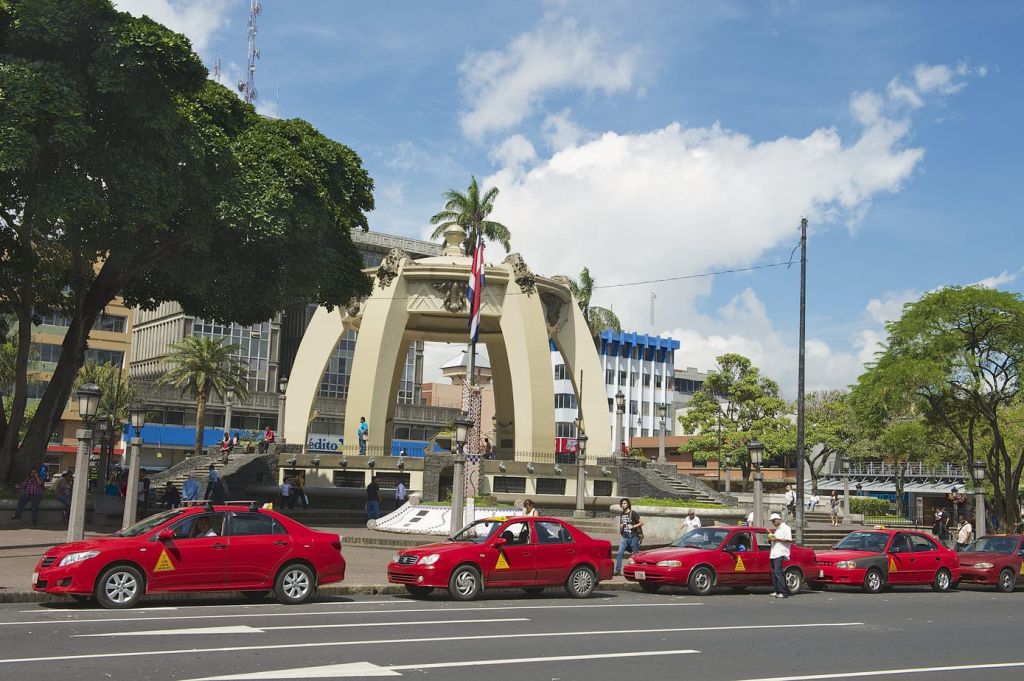
The capital city has it all for families. Top international accredited schools- bilingual, International Baccalaureate, and more are located in San Jose. You’ll find private schools that range in price from $5,000 a year to upwards of $17,000 a year. The highest concentration of accredited bilingual schools is in the San Jose area- it’s the perfect place to get your kids an American education.
The cultural capital of Costa Rica is also in San Jose. Think museums, theater, international shopping, and more! You also have really easy access to the Caribbean coast and the pacific Coast from San José.
Many people in San Jose speak English, so if you aren’t speaking Spanish yet you can get around just fine. There are lots of Spanish teachers for ex-pats too.
Medical care in San Jose is great for those with local insurance or international medical insurance. The best international hospitals and doctors are in San Jose.
The cost of living in San Jose tends to be less expensive too- price ranges on rentals and properties for investment are much larger due to so many options on the market.
You’ll find tons of grocery stores, and farmer’s markets in San Jose. Walmart and PriceSmart (like a local Costco) are in San Jose, making the cost of buying food similar to that of the United States.
Schools in the San Jose area include the British School, the Pan American School, and the Country Day School.
Neighborhoods popular with ex-pats in San Jose include Barrio Escalante, Escazu, Pavas, and Santa Ana.
Atenas
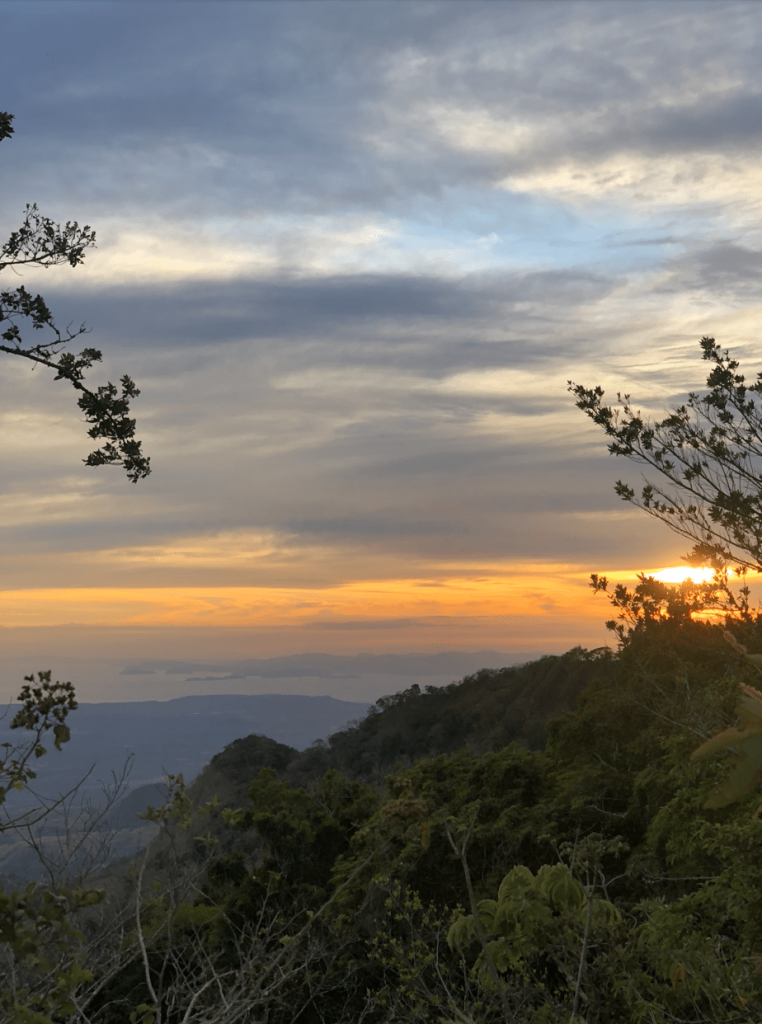
The small town of Atenas boasts ”the best climate in the world.” There is a tight-knit ex-pat community here, despite the town’s relatively small size. The views from the hills for Atenas are sweeping, and you are in the heart of Costa Rican coffee country.
The Green Valley Atenas School is a bilingual school here. It goes through 11th grade and is accredited by the Costa Rican Ministry of Education.
Close proximity to Jaco and San Jose makes this a fun rural community for families to consider when moving to Costa Rica.
San Ramon
San Ramon has the largest ex-pat community in Costa Rica outside of San Jose, and I would be remiss not to include it on this list.
We lived in San Ramon when we lived in Costa Rica because my husband’s family is from there. We love the town as it’s large enough to have everything you need.
From shopping to restaurants to hiking and biking trails, you’ll find San Ramon has everything you need and most of the things you want.
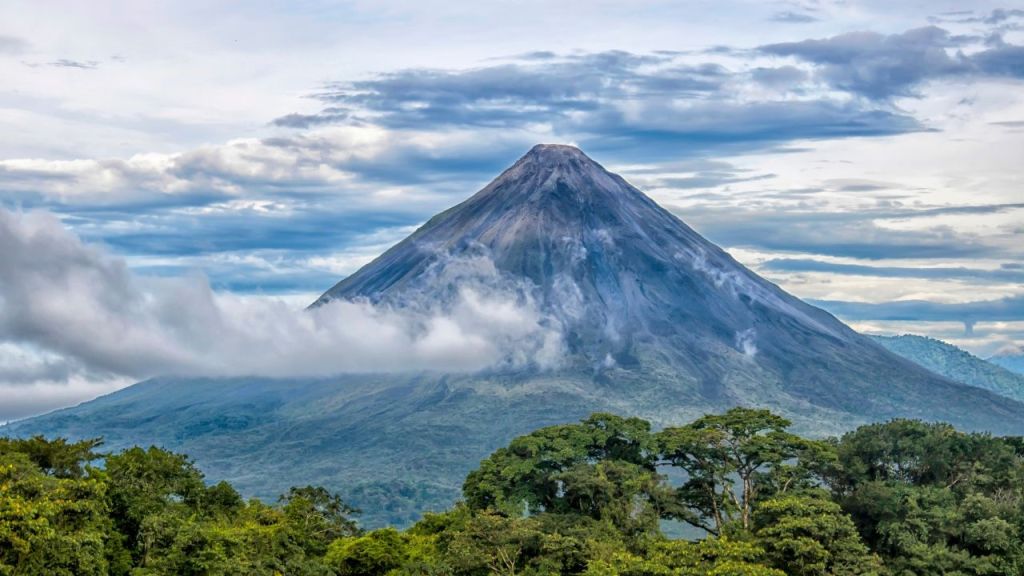
You are in close proximity to the cloud forest, and the bird-watching is second to none. La Fortuna and the Arenal Volcano are just a quick 90 minutes away, and San Jose is just an hour away too.
One of the best things about San Ramon is that the ex-pat community here is united and tight-knit- members meet for breakfast once a week, engage in community service and have a private Facebook group to support each other.
What San Ramon lacks is a strong bilingual school. There is one bilingual private school- Colegio Bilingue San Ramon. Given that the university of Costa Rica has a campus here, you’ll find the public schools brimming with good teachers- albeit instruction in Spanish only.
San Ramon is a great option for those who want to live a truly authentic Costa Rican life. Relocating to San Ramon means you’ll have an instant community of ex-pats and Costa Ricans alike.
Guanacaste
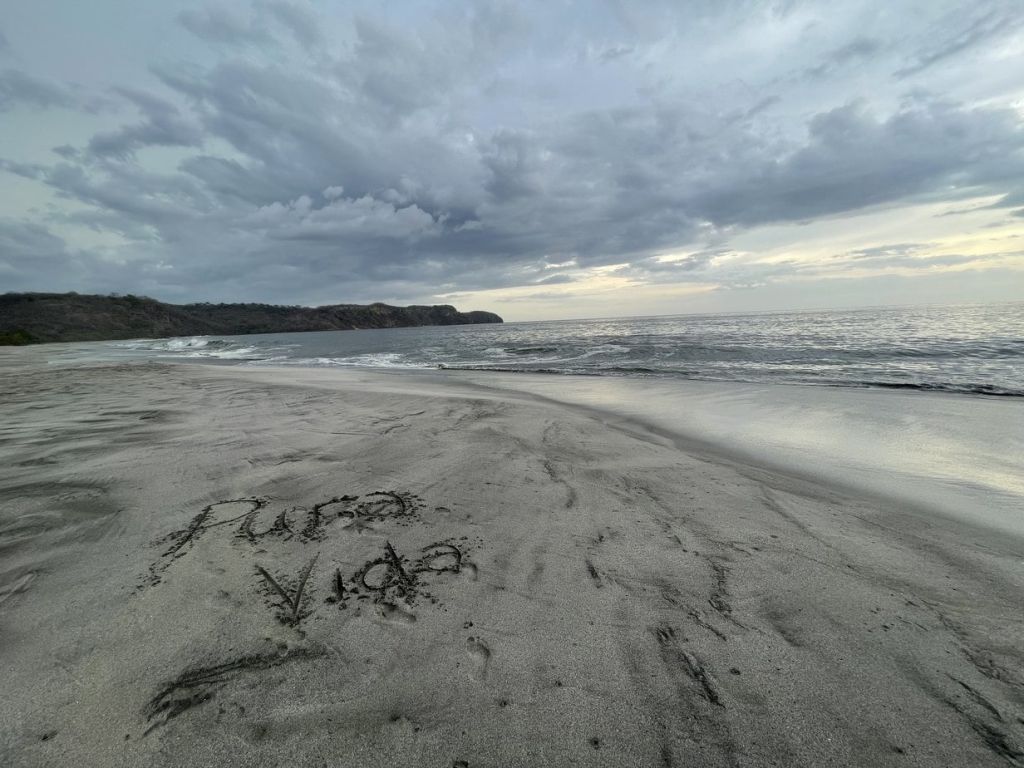
If you want to live near Costa Rica’s beautiful Pacific beaches, you have tons of options. Virtually every beach town has an ex-pat community, so it really comes down to where you want to settle.
A few of the top beach towns are Playas del Coco, Tamarindo, Flamingo, Montezuma, and Santa Teresa. These are the best areas from which to beach hop to some favorite hidden beaches.
Each of these communities offers a private school education with varying ranges of tuition. You’ll find lots of bilinguals and bilingual schools.
You’ll want to secure housing with air conditioning as the heat in northern Guanacaste can be a bit oppressive.
Make sure to find a place with a strong internet connection if you plan to work from these areas- the internet in these more rural areas can be spotty at best in the rural areas.
Living in Guanacaste can also be more expensive- there are luxury hotels, fancy restaurants, and more in the area. It’s such a popular destination for tourists that the popular towns here are expensive.
Guanacaste is a great choice, however, if you are looking for a bit less rain during the rainy season as the rain doesn’t come as hard and fast on the Pacific Ocean as it does in other areas of the country.
Your home base for hospitals, large American grocery stores, and other goods will be Liberia, which is about an hour away from all of these towns except Montezuma and Santa Teresa, which are more rural.
Schools in Guanacaste include:
- Costa Rica International Academy (CRIA)
- Educarte
- Flourish Children’s School
- IREN Instituto Renacimiento
- Journey School of Costa Rica
- La Paz Community School
- Pacific Waldorf School
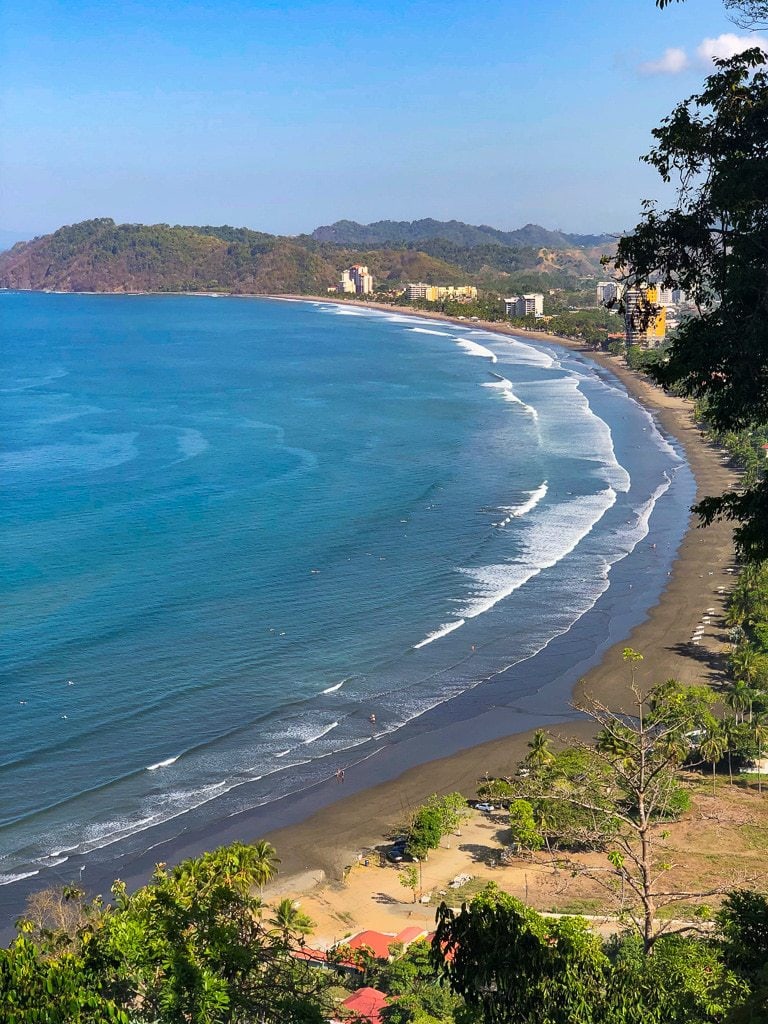
Jaco/Playa Hermosa
There’s a nice little ex-pat community in Playa Hermosa, and the kids go to school next door at Jaco. Both beaches are gorgeous and have the advantage of being about an hour away from San Jose. This is a good place to get your feet wet when moving to Costa Rica or exploring where you might want to live.
We’ve written extensively about where to stay in Jaco and where to eat in Jaco, and that’s because it’s one of our family’s favorite beaches.
There are several pre-k to middle school places to study here, but the only k-12 school is the Las Nubes School.
Dominical
Dominical, Costa Rica is the next hotspot of ex-pat living- and it’s in the Southern Zone of Costa Rica. Right on the beach, it has a thriving community and several options for bilingual and Montessori schools.
The sleepy fishing town has slowly turned into a popular surf beach in southern Costa Rica. Located just an hour south of Manuel Antonio National Park, this laid-back haven for ex-pats has grown exponentially in size over the past 10 years.
Here you have a myriad of beaches within a 25-minute drive, and the rainforest is just behind the beach. The natural beauty here is unparalleled, and it’s a popular spot for locals and expats alike to live and work. There are three hospitals located within 30 minutes of Dominical.
The schools of Dominical are located in Uvita, which is just a 20-minute drive south.
Dominical tends to be more expensive than Central Valley cities as it’s a beach town. Digital nomads and North Americans with dollars do drive the price of goods up. Make sure to plan ahead if you want to move to Dominical- rental housing is more limited than in other areas of Costa Rica.
RISE
Rise is its own community near San Isidro El General- offering a Waldorf education, 1-acre land with different housing footprints, and even a relocation specialist.
The couple who started RISE is originally from California they relocated to Costa Rica because they felt a strong disconnect between the life they had and the life they wanted. They created a sustainable community in which families live.
They offer healthy food, on-site glamping and group retreats, and an accredited bilingual Waldorf school.
Close to San Isidro for goods and services, as well as a good hospital makes RISE a great place to relocate if you want a sort of American feel while living in Costa Rica. I have a good friend who relocated from San Ramon to RISE and she is thriving. Her kids adore the school and as a single mom she has found a lot of support from the community.
As you make your decisions about where to live with your family, I highly suggest you take a look at this international and private school guide from Two Weeks in Costa Rica. That can help you narrow down where you want to live if it’s based on schools.
If your decision is not based on schools, then I can help you as you make your transition to living in Costa Rica. Everything from what to pack to when is the best time of year to making sure your kids have a strong transition are things that I can help with. Just book a video chat or phone call with me here– I promise no sales! You just get to pick my brain.